News
Page 3 of 3
Aug 2016'Neural' reviews Seven Sonets
August issue of Neural magazine features review of Seven Sonnets. Fragment:
Between romantic hints and spiritual environments, the seven tracks are all very enjoyable. The composer is no stranger to the melting pot of different cultural areas, with collaborations between theater and music. Indeed, Glowicka has shared stages in the past with choreographers and visual artists and is absolutely at ease with all references, having developed the project so long. Over the centuries William Shakespeare has always fascinated legions of other artists – and, not surprisingly, his sonnets were also set in pop guise by David Gilmour of Pink Floyd – however, the suggestions here are much intense and significant and they bring us closer and more directly in contact with the original work.
Jul 2016Belgian online magazine “Darkentries” reviews “Seven Sonnets”
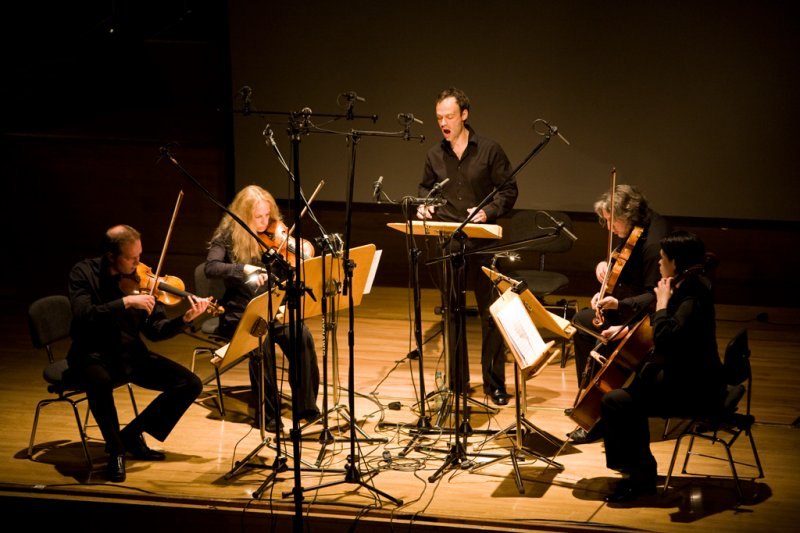
Technically, this neoclassical, but it is not ‘warm’ neoclassical where you see the fairies flutter on a sunny summer day on the grass. This is chilly neoclassical, as a heavy walk through the snow from the icy north wind in.
newest CD “Seven Sonnets” is reviewed at darkentries.be
Dark Entries is an independent online music magazine that’s keen on all forms of dark music: goth, electro, new wave, avant-garde, neo-folk, industrial .
Jun 2016'Unknown woman' on The Guardian 'pick of the week'
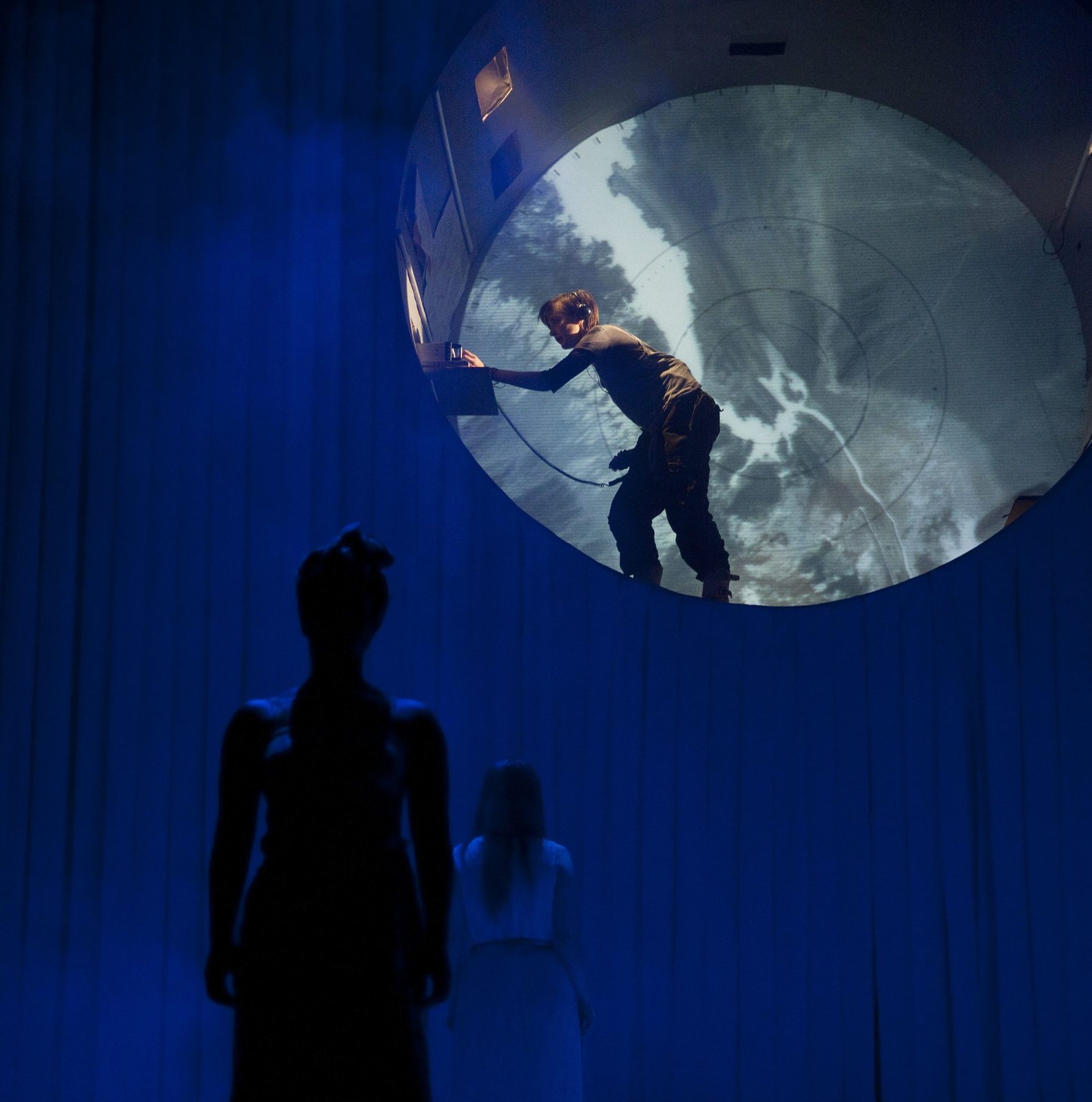
Music theatre piece of Melanie Wilson co-composed with Glowicka has been on “The Guardian’s” pick of the week. Melanie Wilson reimagines the operatic form in Opera for the Unknown Woman at the Lawrence Batley, Huddersfield, as part of the Yorkshire festival, which also has lots of street theatre over the next few days.
Jun 2016The Guardian on 'Unknown': Arias of engagement: why women take centre stage in my new opera
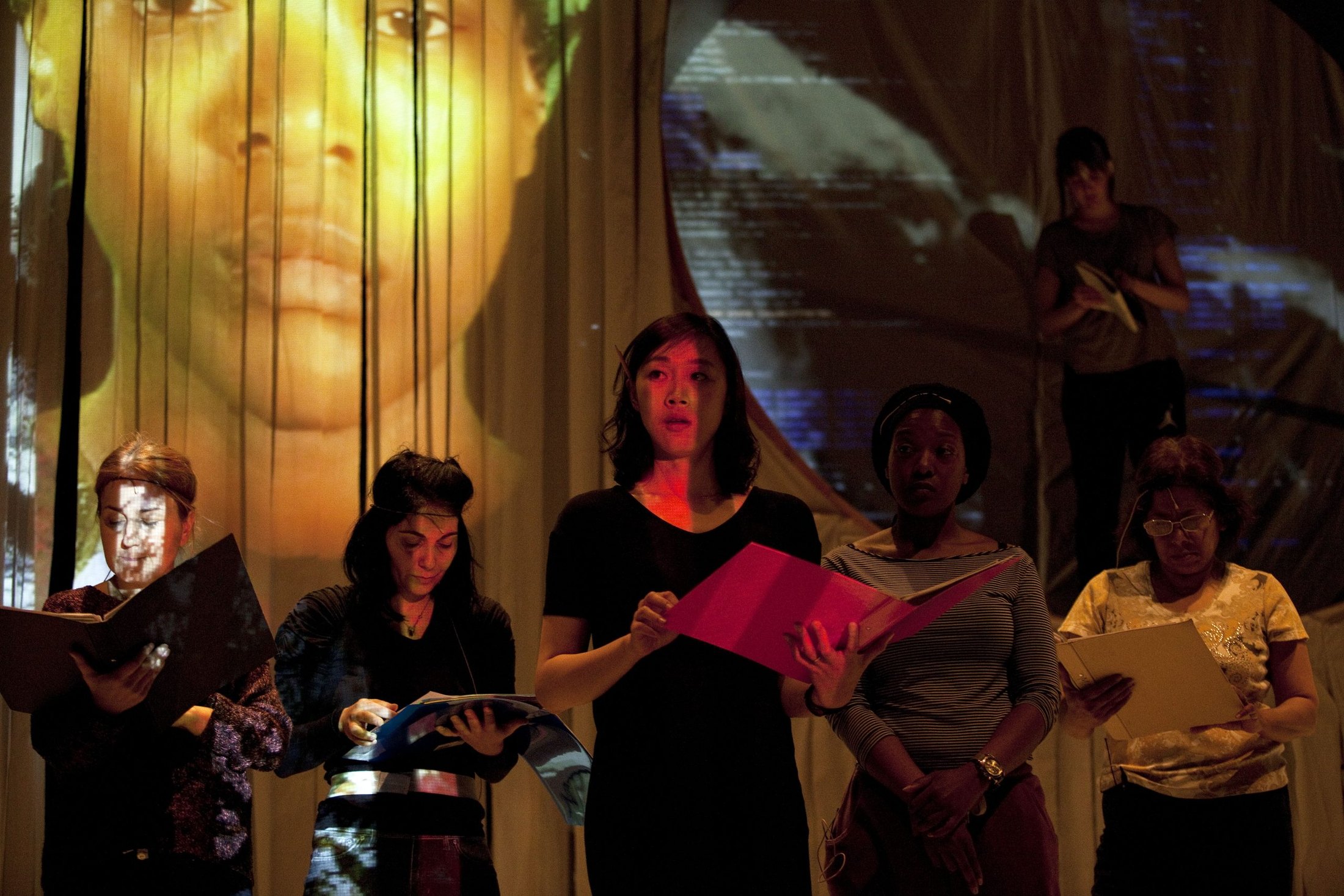
Featured in The Guardian: Sound artist Melanie Wilson explains why her eco-feminist opera challenges opera’s sexist tradition—and how composer Katarzyna Głowicka helped create musical worlds that map human thought onto cosmological time.
In a powerful essay published by The Guardian in June 2016, Melanie Wilson shares the creative vision behind Opera for the Unknown Woman—a science-fiction opera about women saving humanity from climate change, featuring music composed in collaboration with Katarzyna Głowicka.
Key Insights from the Article
From Inspiration to Manifesto: Wilson’s journey began with Maggi Hambling’s painting Gulf Women Prepare for War, which challenged Western visions of Middle Eastern women as passive and non-political. The painting electrified her with questions: How far should women go to take power denied them? How can women share knowledge across cultures? How can artists talk openly about wresting power from oil and money?
Opera as Revolutionary Tool: Wilson chose opera specifically for its ability to harness “the galvanising power of the singing voice to make an emotional connection” with audiences about planetary crisis. As she writes, “Opera is the art form that deals with the emotional lives of characters who are often ensnared by patriarchal social or political bonds, and therefore provides fruitful musical and political ground to experiment on.”
The Głowicka Collaboration: Wilson describes working with Katarzyna Głowicka to create “musical worlds that map the fragile detail of human thought on epic vistas of cosmological time.” The score weaves sonic worlds from contemporary classical opera through folk and world music, marrying digital electronic processes with contemporary classical instrumentation.
Eleven Women, Global Voices: The opera places experiences of 11 women from around the world side by side—a climate science journalist from Jamaica, a graffiti artist from Tunisia, a farmer from Ghana, an education reformer from India, a feminist activist from China. They range from young to old, working and middle class, all challenging patriarchy and the dominance of money.
A New Iconography for Women: Wilson makes a crucial point: “There is great effort and trial for my characters, but they do not die. This is important, because we need a broad iconography for women that exceeds sacrifice and waste.” She’s creating new myths and musical aesthetics that move “from a female voice that suffers to a female voice that speaks up and out.”
Enacting Female Power: The production was created with a team that is 95% female. As Wilson states: “I don’t want to only talk about female power—I want to enact it.”
Language and Change: The opera finds the roots of change in language itself, particularly “the toxicity of the words ‘nature’ and ‘natural’ when used to contain and punish women.” It sees transformation in women collaborating, contesting how they see themselves and are seen by others.
Why This Matters
Wilson’s essay articulates a philosophy that resonates throughout contemporary opera: “As a female artist, it is depleting and silencing to wait to be given a chance to create something. You just have to do it.” Her collaboration with Głowicka demonstrates how composers and directors can repurpose opera—historically a male narrative tool—for urgent contemporary needs.
The piece operates under the credo “small changes unlock power,” creating what Wilson calls “a manifesto for the present” rather than utopian fiction. It’s a rallying cry that allies female empowerment and social equality with our ability to tackle climate change.
Read the full article in The Guardian →
Published in The Guardian, June 8, 2016
Written by Melanie Wilson, sound artist and directorOpera for the Unknown Woman premiered at Wales Millennium Centre’s Festival of Voice, June 8-12, 2016, then toured through June-August 2016.
May 2016Belgian 'Rifraf' reviews 'Seven Sonnets'
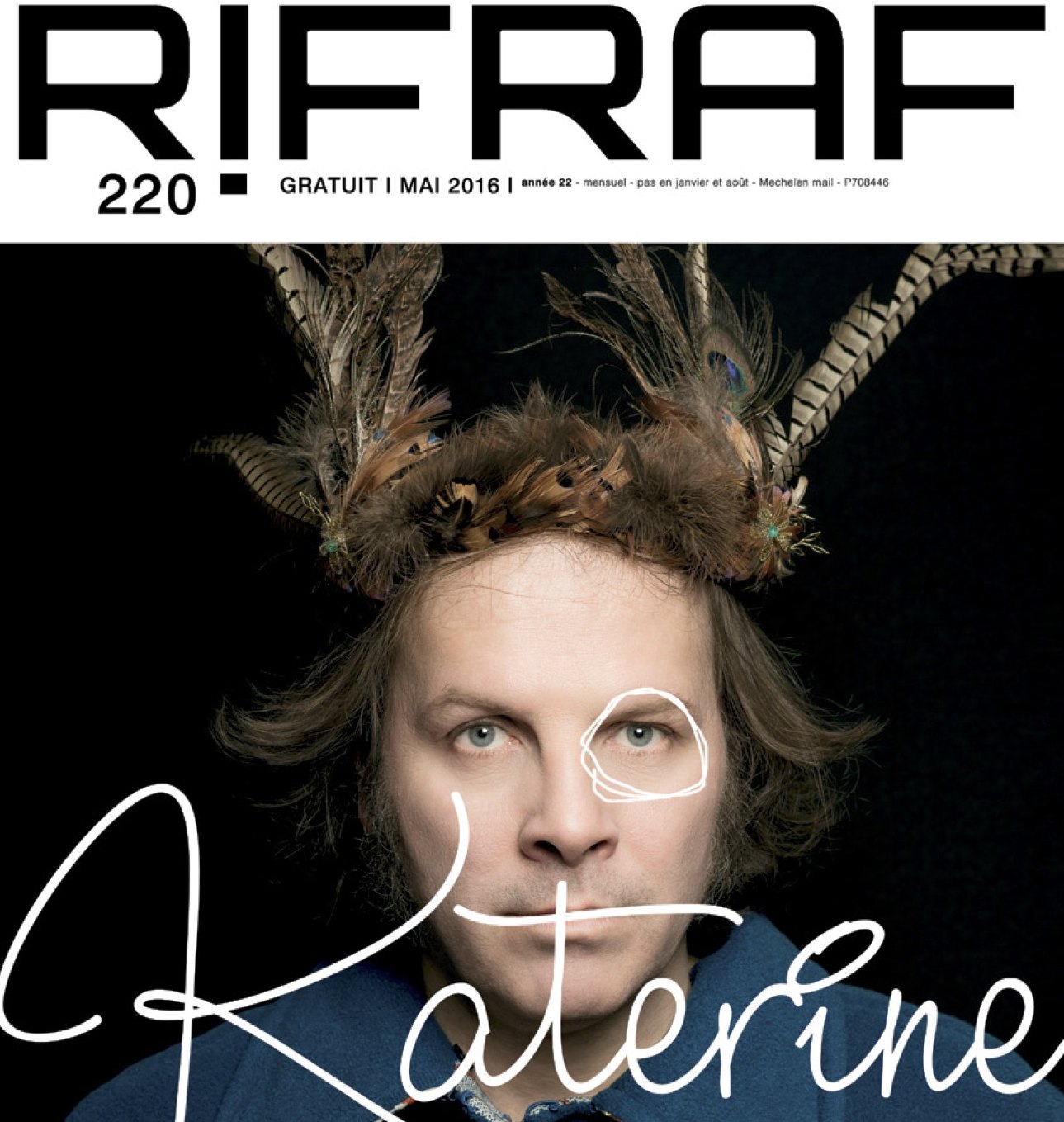
Upcoming edition of Belgian music magazine ‘Rifraf’ from 16.05.2016 reviews ‘Seven Sonnets’. In the section “Love on the bits” a short review by Fabrice Vanoverberg.
Below an excerpt:
“with extraordinary strength of conviction Glowicka manages to take us into the century of Shakespeare, and that without sounding stuffy or overly intellectual.”
For more, read Rifraf Magazine, Belgium
May 2016Premiere of 'Opera for the unknown woman' approaching
With co-composer and director Melanie Wilson and “Fuel” company we are working on new production - “Opera for the Unknown Woman” Opera for the Unknown Woman is a bold re-imagining of the operatic form, weaving together theatre, contemporary classical music, electronics and film. The talented ensemble includes Patricia Rozario OBE and Adey Grummet (Jerry Springer the Opera, Mr Burns). This science fiction, multi-media opera channels a performance of vivid imagination and passionate politics into an exhilarating call to action. Produced by Fuel (http://www.fueltheatre.com) Commissioned by Wales Millennium Centre for Festival of Voice and Yorkshire Festival in association with Warwick Arts Centre. Funded by Arts Council England & Arts Council Wales. Supported by the Fidelio Trust and Hinrichsen Foundation. Development commissioned by Warwick Arts Centre and funded by Arts Council England & PRSF for Music Foundation. Developed in association with Opera North Projects.
May 2016Seven Sonnets at Aural Aggravation
Christopher Nosnibor writes at “Aural Agravation” about new CD “Seven Sonets” fragment from review:
‘Sweet love’ builds subtle drama, Glowicka skipping lightly through Sonnet LVI, before ‘All Naked’, a stripped-back audiowork which is spun around Sonnet XXVI concludes the album, leaving the listener feeling… how precisely does the listener feel? The power of any work lies not in the direct message it conveys, but in the way it resonates with each individual who engages with said work. Just as Shakespeare’s plays and sonnets stir different emotional responses in each person, connecting with different life experiences, so Glowicka’s Seven Sonnets is and album which does not require a critic to steer a particular line of engagement. It resonates on a uniquely personal, individual level.
Oct 2015'Jazz n More' on 'Red Sun'
May issue of the magazine “Jazz n More” publishes review of ‘Red Sun’. Below an excerpt: All sound phenomena happen in time and space. But few sound artists use those dimensions specifically to make it the exclusive theme of their compositions as do the two Polish women: Glowicka and Walentynowicz in “Red Sun”. The piano and the subtly draped around itClicks’n’Cutsof the electronic noises play skilfully with the space, let these times enlarge and widen, but then again appear in narrow and claustrophobic proximity.
Oct 2015'Muzyka 21' reviews 'Red Sun'
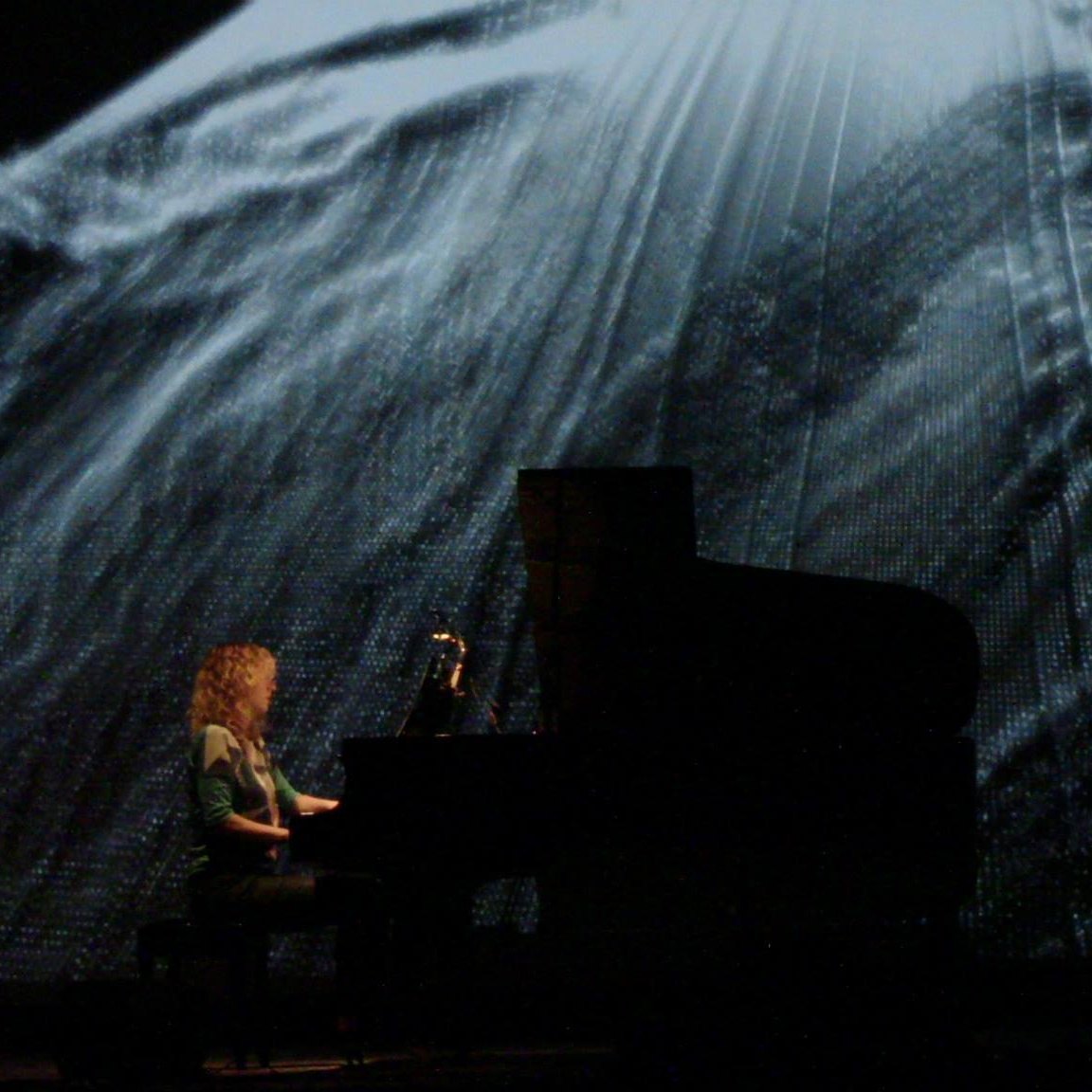
Polish online art magazine Muzyka 21 has published an article on music of Glowicka. Polish critic Jan Topolski writes his impressions about the new CD ‘Red Sun’:
What makes the music of Katarina Głowicka special? First of all space. Deep and extensive. As in ambient music. Built by reverbs, echoes and electronics. Against this background – a piano. Flickering , rippling . Cascades of repeating notes and rhythms. As in minimal music . Tonal associations, but with different development. Clear sounds, distorted, appear then re-appear hear and there as whispers and crackles. As in glitch music. But clearly you hear the skills of a seasoned composer – the clear intentions and the feeling for ‘big form’.
Jun 2015Głowicka blending classical, electronic, and minimalist textures offers a rare experimental breath in Polish opera - Sup
The opera opened with an unforgettable image: a split Jackie Kennedy smashing dish after dish while reciting a surreal monologue about baking meringue — a chilling metaphor for a woman sculpted by pop culture into an icon, but silenced in her own story.
In his review, Adam Suprynowicz calls the piece a much-needed experiment for Polish opera. The libretto by Krystian Lada explores Jackie’s internal fracture, torn between public expectations and a vanishing self. Two Jackies appear on stage: the polished First Lady, played with vocal brilliance by Patrycja Krzeszowska-Kubit, and the repressed, rebellious double — Marta Ojrzyńska in a raw, physical performance of silent resistance.
Composer Katarzyna Głowicka weaves together fragments of operatic tradition — from choral lament and vocal stylization to hypnotic minimalism and electronic textures — crafting a layered sound world that echoes Jackie’s unraveling. Though some staging elements fell short and tension wavered in the extended form, the music remained emotionally incisive and sonically daring.
Requiem for an Icon may have been divisive, but it carved open space for new thinking on the opera stage — unsettling, necessary, and unforgettable.
Jun 2015Glowicka skilfully leads the voices and choirs
Katarina Głowicka, author of “Requiem for an icon,” the story of Jackie
Kennedy and the first paparazzo feels well opera form and knows how to lead the soloists through a labyrinth of harmonies, live instruments and electronics.”
DOROTA Kozińska 06.01.2015, Tygodnik PowszechnyDorota Kozinska’s review at Tygodnik Powszechny
Jun 2015Glowicka one of the “compose4you' composers
Glowicka is selected to the new initiative of foundation ‘Donemus’ - Compose4You is an initiative of the Foundation Donemus Management, funded by the Dutch Ministry of Education. http://www.compose4you.nl
Jun 2015Retina featured on CD of Belgian magazine ‘Gonzocircus’
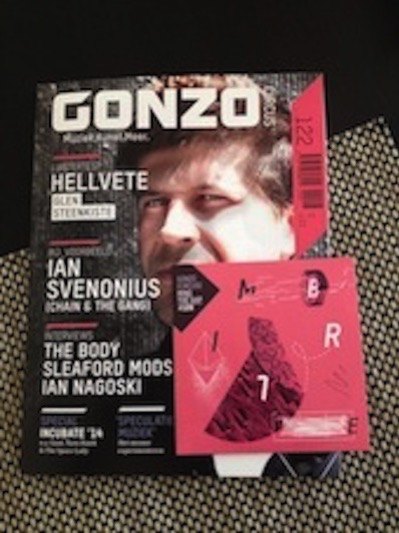
July issue of online and off-line Belgian music magazine ‘Gonzocircus’ will features ‘Retina’ from CD ‘Red Sun’!
Jun 2015Adam Suprynowicz reviews opera 'Requiem for an icon'
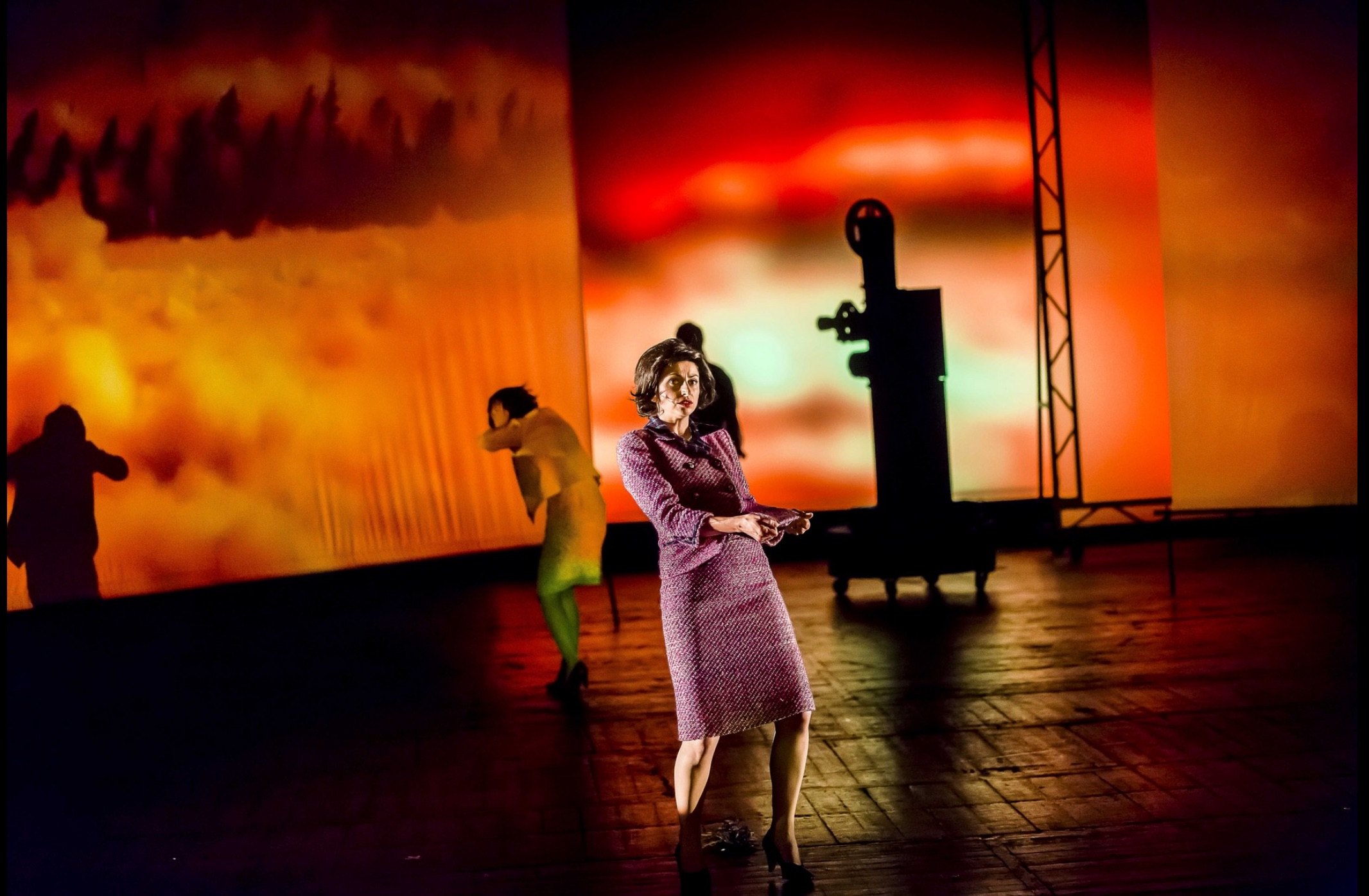
“Dwutygodnik” reviews newest opera of Glowicka - “Requiem for an icon”.
Jun 2015'Indulging yourself” - Sound Projector Magazine raves about “Red Sun'

written by Paul Khimasia MorganPosted in Recent arrivals Tagged with ambient, composed, drone, piano “This album is like indulging yourself in a European city break. You dive headlong into the cultural activities you might passively ignore in your own town: museums, galleries, landmarks, theatres, concert halls, all are visited zealously while you studiously refuse to acknowledge the strengths of your own location. Okay, Paris, Vienna or Bruges have far better architecture than Brighton or Bournemouth but let’s not forget that Brighton Museum hosted the first UK exhibition of Don Van Vliet’s paintings and The Russell Cotes museum in Bournemouth has a fantastic collection of Japanese ceramics and a fellow who plays the grand piano in the foyer daily. These are just examples. And then when you do get home, you start noticing all the interesting things about where you live all over again. What I’m getting at is that to me, immersing myself in Red Sun is a bit like temporarily being shown an ideal in contemporary music, and then listening with fresh ears to your other records, environment, home, washing machine and so forth.” “The music in question is meditative, melodic and magisterial, and these beautiful meditations become more strident and forceful as the album progresses. Walentynowicz demonstrates a gentle touch using techniques such as faint delays, lo-fi piano recordings, re-sampling, tasteful dissonance, tone manipulation and drone generation. The first piece, ‘Sun Spot’, starts with an electronic buzz and builds on a three note piano refrain; piano pop like a stop-motion ‘Moments In Love’ by The Art of Noise. Glowicka inserts a well-judged reverse effect at the end. The following piece, ‘Transient’, begins with same electronic buzz and three note piano refrain but then develops the music with field recordings from inside a concrete bunker. ‘Favola’ continues the sonic abstraction of the core elements, this time the piano is played staccato in the high register, while horror film style reverse effects are inlaid.” “The title track heralds a change in mood. The notes becoming discordant and out-of-phase, as if there were two versions of the piece running simultaneously slightly out of time with each other. One piano is close up in the mix, the other distant. Very pleasant, particularly with the aforementioned tasteful dissonance dialled back in. It occurred to me that this track, ‘Red Sun’, could sit very well in the ECM catalogue. Then follows the two longest pieces on the disc, at 14 and 17 minutes respectively. ‘Retina’ begins with the bare essentials. The technique of one piano close up again as in ‘Red Sun’, the second seemingly far away. Glowicka utilises reversed long piano notes to good effect.” more here
May 2015'Requiem for an icon' premiered at National Opera, Warsaw
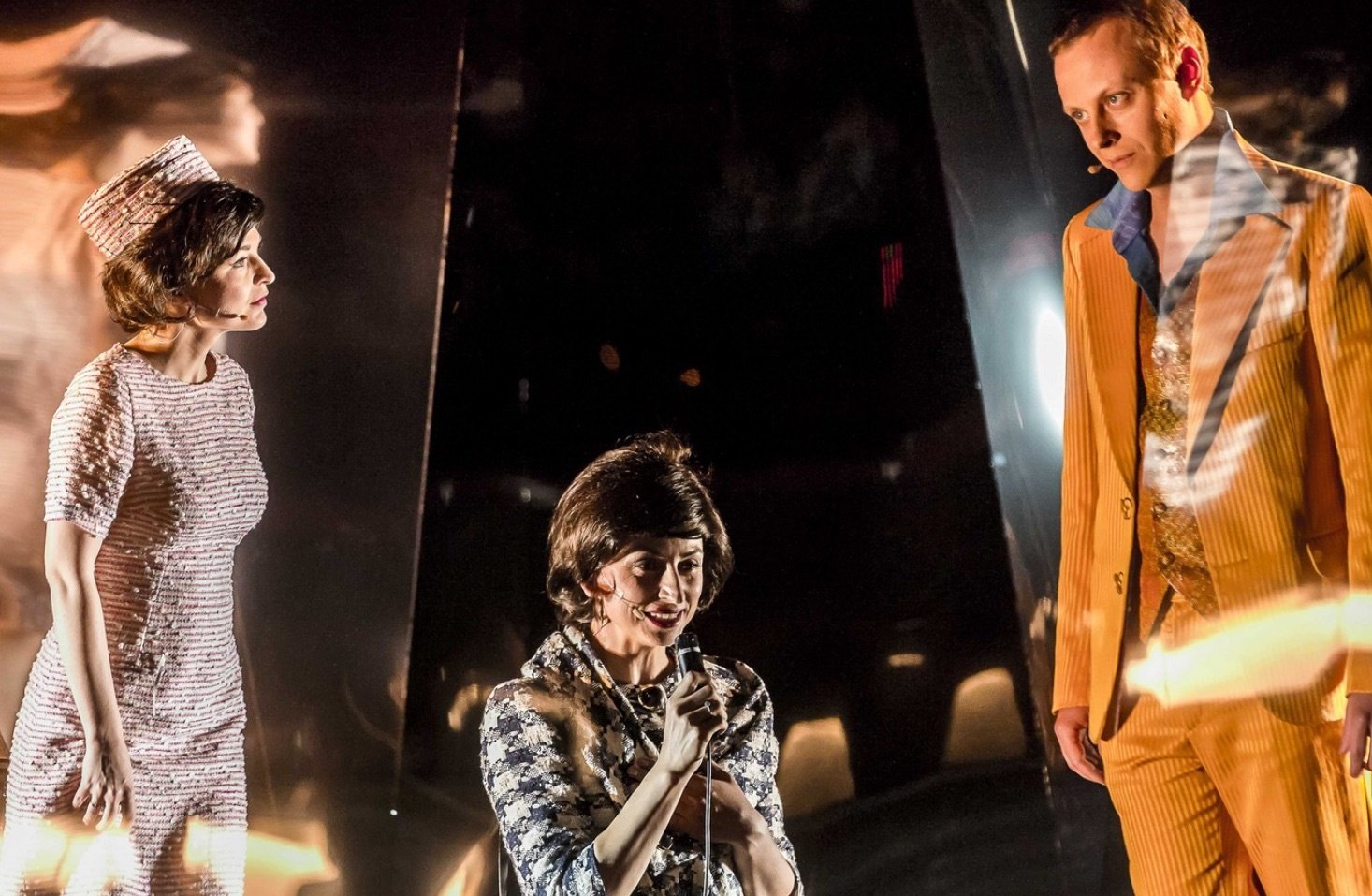
Opera Requiem for an icon has been premiered at Polish National Opera house, Warsaw. More information here
May 2015'The sound projector' magazine reviews 'Red Sun'

Paul Khimasia Morgan reviews CD “Red Sun”.
“This album is like indulging yourself in a European city break.”
Nov 2014William Anderson reviews 'Kyrie' at ISCM World New Music Days
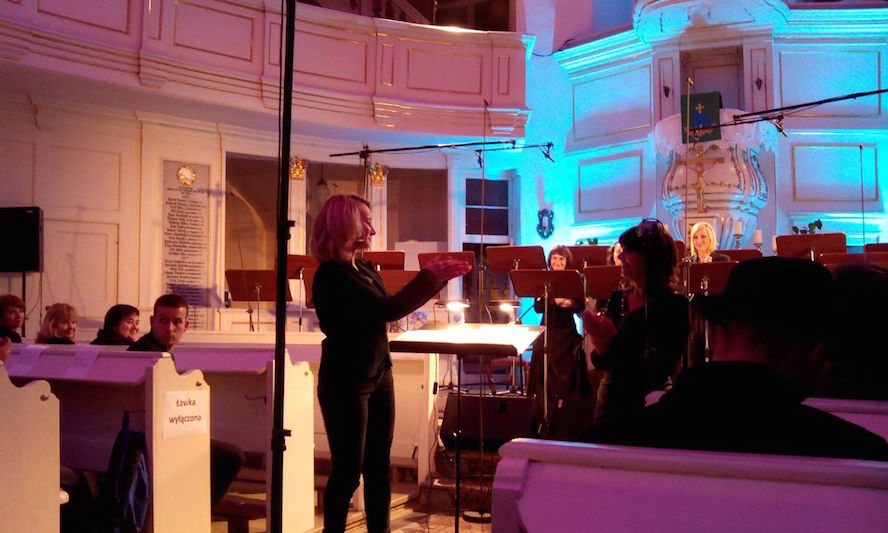
Katarina Głowicka at ISCM, October 2014 William Anderson’s review of ‘Kyrie’: Katarina Głowicka-her powerful Kyrie made me fight to maintain my composure. Of course this begs the question of why was I in that receptive mode for her and not for others. I admit that I lost it when I started seeing images (in my mind) from Alfons Mucha’s Slovanská epopej(Slav Epic) behind the singers. I had never heard great new Polish music in Poland before, and I was deeply deeply moved by that experience. Also, that her work is a Kyrie. Correct me if I’m wrong, but the Penderecki Mass celebrates the fact that the Soviets could not succeed in eradicating Christianity in Poland. And again, correct me if I’m wrong, but the church is now struggling to keep members? There’s a joke— how to stop people from going to church?— give them an Episcopalian baptism…. This complex history creeps out of the Kyrie, especially when we realize that the words of the Kyrie are boiled down, reduced to phonemes, in Głowicka’s work. Obviously, something was striking from the very beginning, and then she didn’t blow it. It was finely paced. I have no idea why the harmonies and melodies worked so powerfully–3 women sang, along with electronic processing of what they sang. Eastern European composers are not afraid to evoke a religious tone. This is what makes Arvo Part hot and Reich and Glass cool. That is not a value judgement. We like cool jazz, we like hot jazz. Głowicka’s music—was it either? It was primal and that’s hot, I guess. It moved well. It sustained itself. Click here to read the whole review.
Jul 2014'delicious 55 minutes' - Spanish Elena Gomez reviews and broadcasts 'Red Sun'

Spanish online magazine and radio “RTVE” reviews and broadcasts Głowicka’s music in the cycle “Protagonists of piano” . Calls “Red Sun” “…un delicioso disco de 55 minutos “
Here you can find LINK TO REWIEV
Jul 2014German 'Junge Welt' calls Głowicka 'the next star from the East'

RedSun_II_JungeWelt_Jul14Download
Rados Ijedl writes extensive review of “Red Sun” in popular German newspaper “Junge Welt”. Here you can read the review in German:
Jul 2014Gonzo Circus Magazine
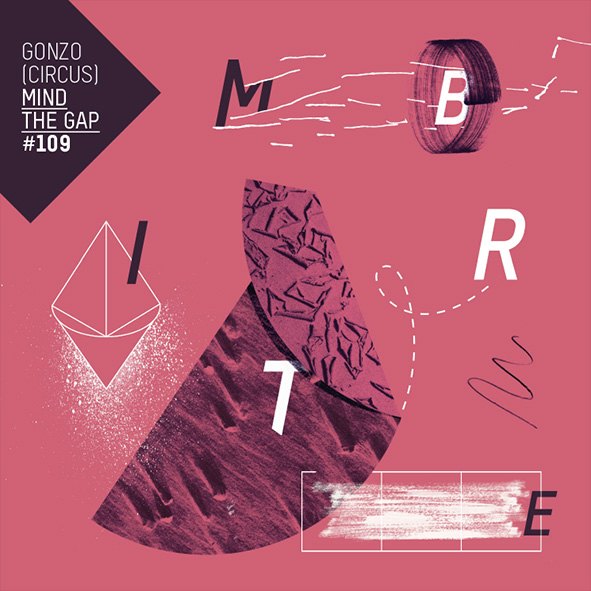
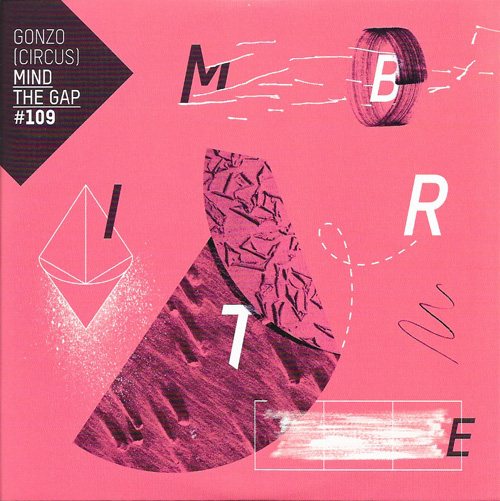
Mind the Gap #109 (2014) - compilation from ‘Gonzo Circus” - GC135. Disc compiled and published by Belgian magazine ‘Gonzo Circus’ in July 2014. Track 6 is Retina.
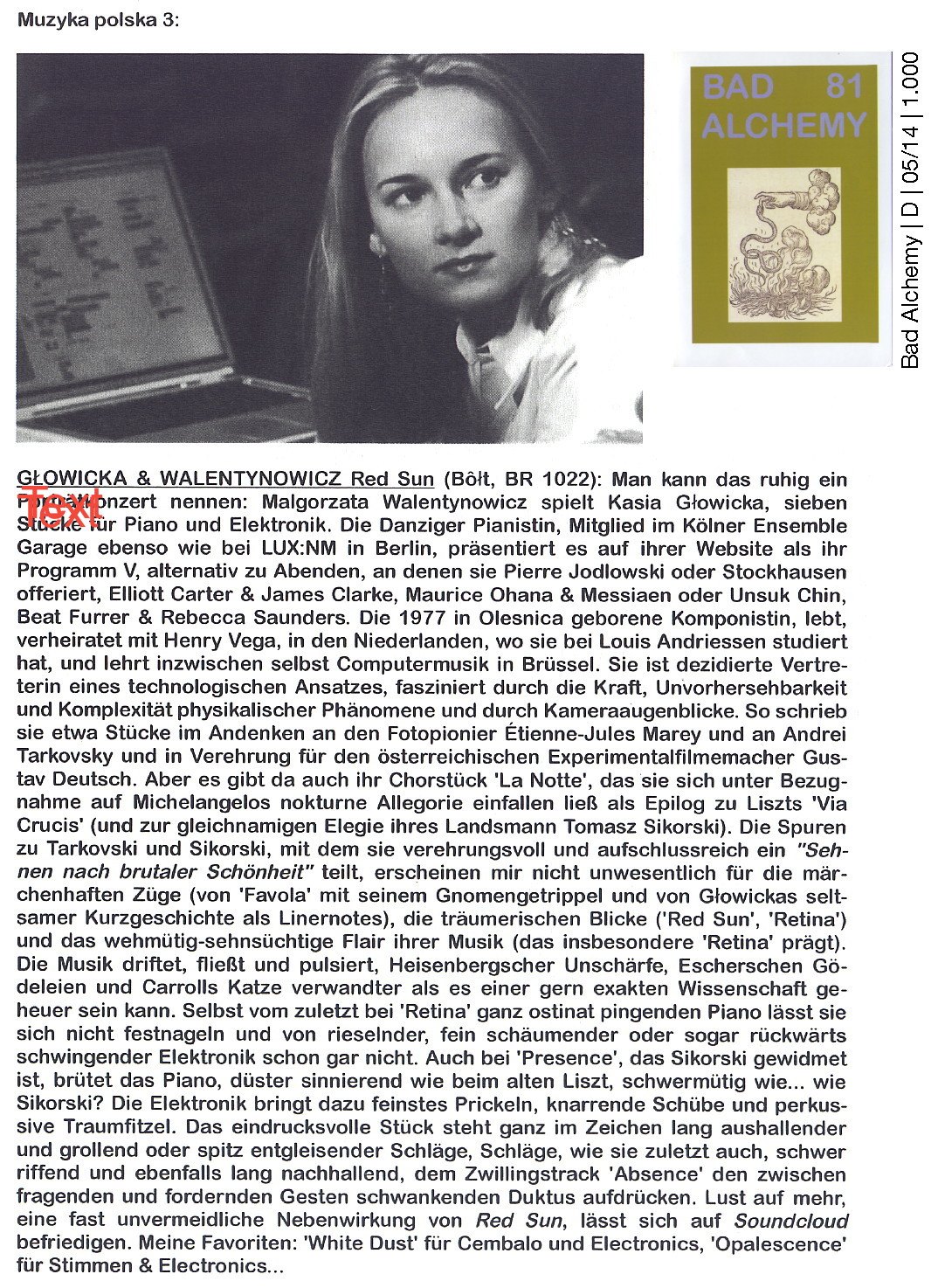
Jun 2014'Impressive' - German magazine Bad Alchemy reviews 'Red Sun'
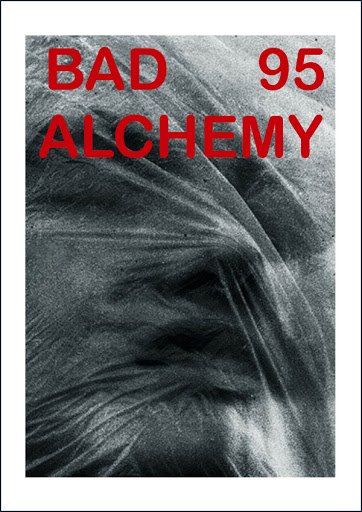
The issue 5 of magazine “Bad Alchemy” 05/2014, reviews “Red Sun”. You can read it here:
Jun 2014Muzykoteka Szkolna interview on music emigration
On the 10-th anniversary of Poland joining the EU, Polish online magazine “Muzkoteka szkolna” interviews myself and several of my colleagues on music and emigration.
May 2014'Black audio” gives 9 out of 10 to “Red Sun”

Magazine “Black audio” reviews Red Sun with 9 out of 10 points. “Clean and precise, the title track is glorious manifestation of sheer ambient bliss and is formulated as the first proper track that you can grasp onto without the teasing that it’s former counterparts did so well; it’s almost like a gift after all the waiting that has come before….” “For this latest release, Poland’s Kasia Glowicka, is joined by Malgorzata Walentynowicz. Together they weave magic with an ear for spatial awareness and ‘Red Sun’ is a peculiar affair that is surprisingly engaging for all its moments of solitude. More often than not the listener is left with a wall of silence and the real beauty is in the anticipation of ghostly apparitions that glide, reverberated through a misty haze…” Click here to read the article
May 2014Enthusiastic review by German 'Skug' magazine

Curt Cuisine enthusiastically reviews “Red Sun” at German “Skug” magazine.
“.. the purest, most fulfilling works often arise from sources that have nothing in common with their origins.”
Apr 2014'Fascinating' - Gonzo magazine reviews 'Red Sun'
Belgian magazine “Gonzo” calls “Red Sun” fascinating. Arian van Sorge writes in the newest issue, and magazine adds Kasia’s work to their CD “Mind the gap”
To read the review in Dutch, click here: