Since 2022 Głowicka has been researching creativity — what it is, how it can be taught, and what role it plays in a society that increasingly automates the making of things. Below are publications, research projects, and a record of talks and services.
Articles & papers
2027Carrying Other People's Trauma: Support for Artists During and After the WorkKasia GłowickaCultural Trends, special issue on Mental Health and Wellbeing in Creative Labour (Policy Perspective), May 2027
Written for the Cultural Trends special issue on Mental Health and Wellbeing in Creative Labour, as a policy perspective. The abstract is currently in review.
2027VRChat as a Creative Classroom: Embodied Pedagogy in a Multi-Channel COILKasia Głowicka and Zac WoolfittJournal of Virtual Exchange, Groningen University Press, 2027
Applications of virtual reality (VR) for Collaborative Online International Learning (COIL) are a relatively untapped resource. This article reports a telecollaborative initiative with an intercultural collective at a higher education institution.
The project combined two-dimensional synchronous and asynchronous platforms with three-dimensional VR environments to support embodied, arts-based creativity training, including theatrical co-creation and collaborative storytelling. The report documents the design, the pedagogical benefits and the practical challenges of introducing VR-based virtual exchange in creative higher education, with insights for educators and institutions considering similar initiatives.
2026Discomfort as Diagnosis: Aesthetic Spaces for Growth in Arts-Based Management EducationKasia GłowickaArt of Humanistic Management Journal, Wydawnictwo Adam Marszałek, December 2026
A reflexive thematic analysis of 24 post-programme interviews with management students identifies seven aesthetic spaces for growth: emotional embodiment, openness to the new, delayed gratification, self-efficacy, openness to uncertainty, letting go, and coping with judgement by others. In each case, resistance coincided with the capacities the interventions aimed to develop, so discomfort may indicate a possibility for development.
2026From Resistance to Engagement: A Neuroscience-Informed ARTFUL Framework for Process-Based Arts InterventionsKasia GłowickaArts (MDPI), 2026, 15(9), 214 · Open access
Peer-reviewed article in the journal Arts (MDPI), September 2026.
Arts interventions built around active, embodied making change people more than looking at finished work, but non-artists often meet them with discomfort and self-doubt. The article presents ARTFUL, a six-stage, neuroscience-informed framework that lowers that barrier by pairing understanding with embodied experience at every stage. It was developed in a qualitative case study with 24 management students at Inholland University of Applied Sciences.
2026Opera Decolonized: Listening to Afghan Women's Voices (Art of Research, Aalto 2026)Kasia GłowickaArt of Research, Aalto University, Helsinki, 2026
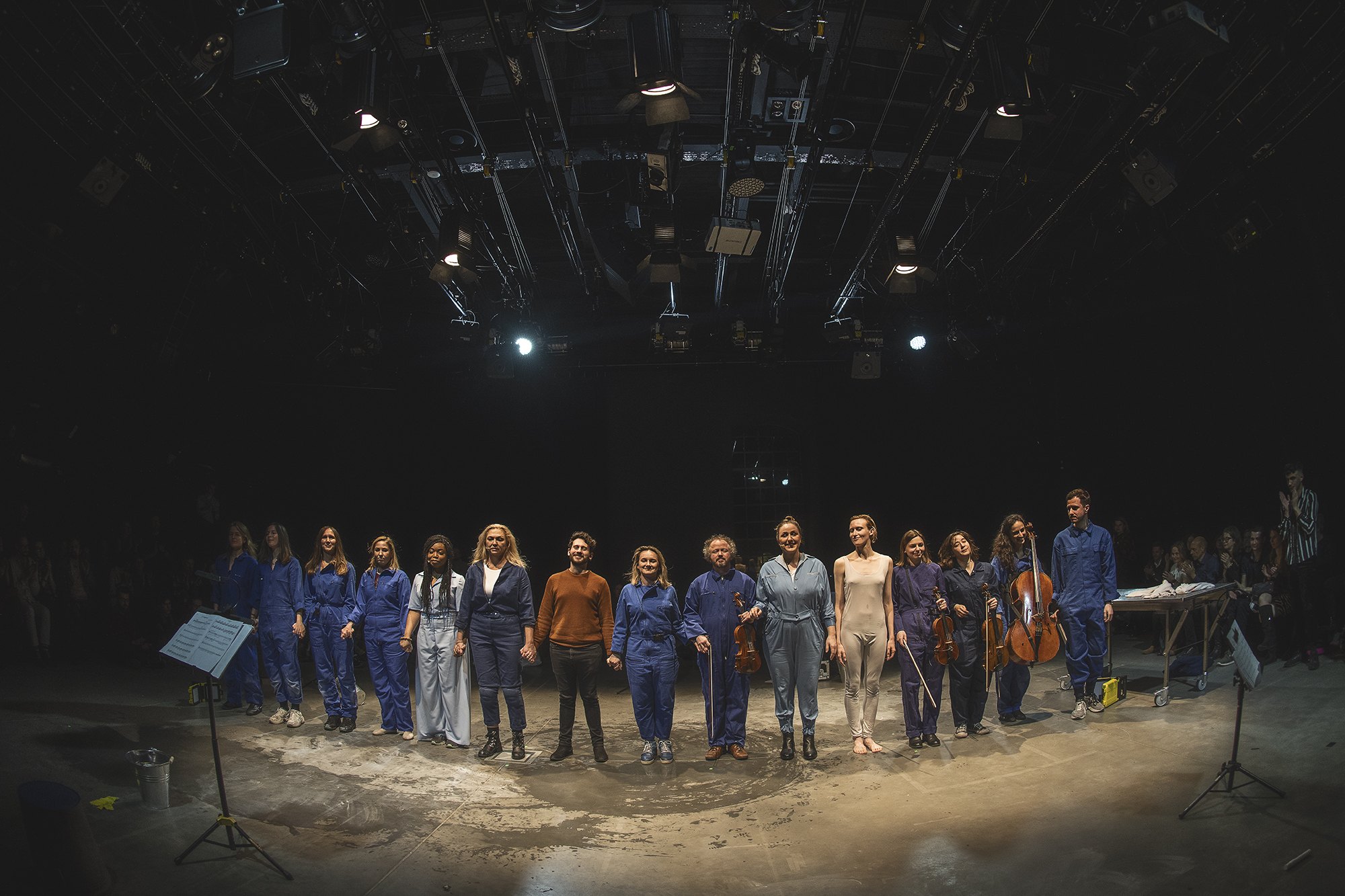
Paper for the Art of Research conference, Aalto University, 2026; preprint on SocArXiv.
How do you bring clandestine writings by Afghan women into a Western artistic space without reproducing the structures that silenced them? The paper traces the formal decisions behind the opera-installation Unknown, I Live With You (venue, casting, costume, audience placement) and argues that each was an ethical choice as much as an artistic one. It asks whether opera's co-equal blend of music, staging and space can be turned against its own colonial tendencies.
Project websiteConference pageWatch on OperaVisionRead the preprint
2026The Space In-Between: Creative Skill and Cognitive Transitions in the Age of Prompt-Based AI (CHIWORK, Linz 2026)Kasia GłowickaCHIWORK, Linz, 2026
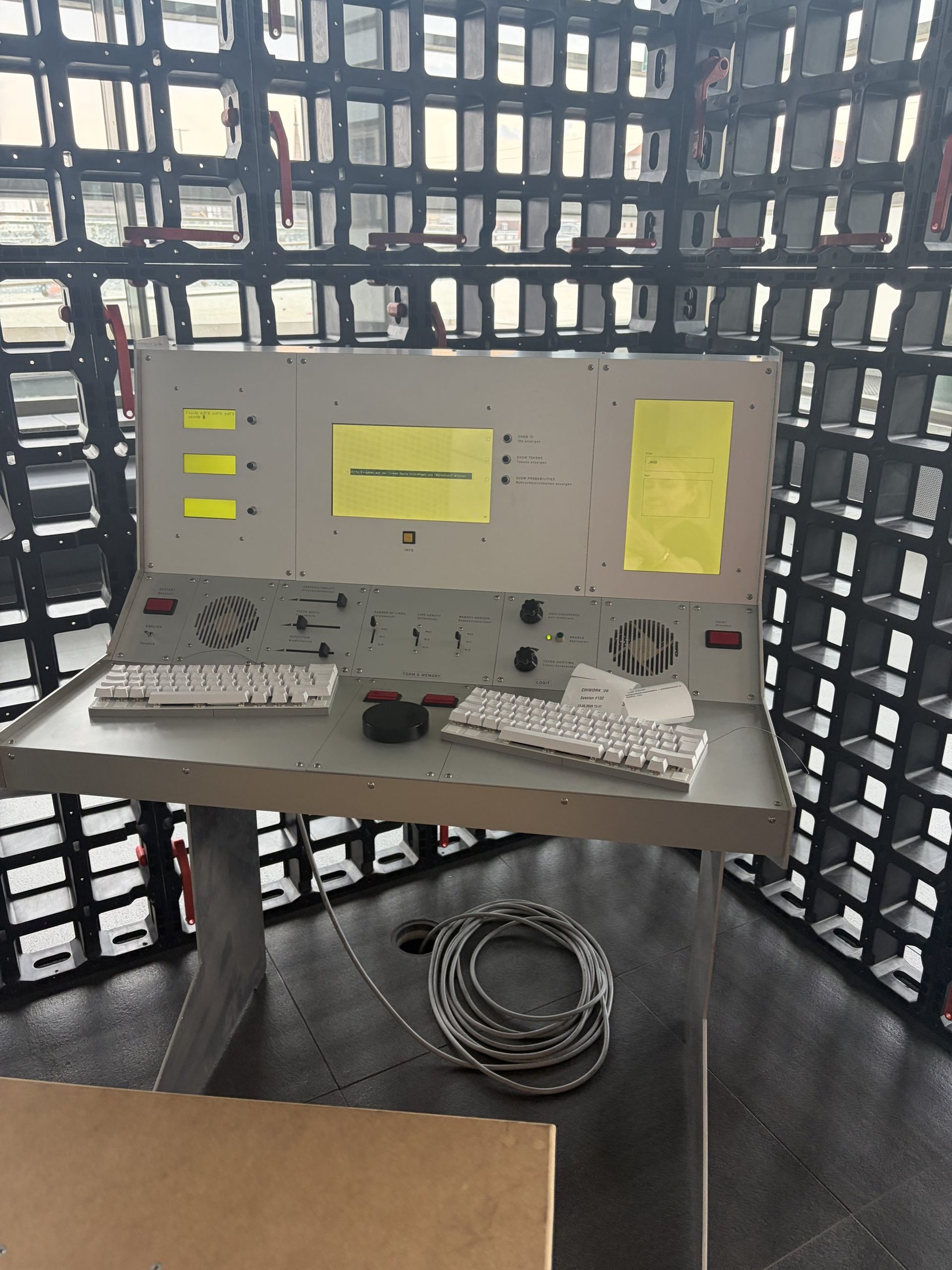
Paper presented at the Agency and Skill in Human-AI Interaction workshop, CHIWORK '26, Linz.
Prompt-based interaction with large language models appears to reduce cognitive engagement compared with unaided creative work. The paper proposes a model of two cognitive modes and three intersections between them, drawn from algorithmic composition practice twenty years before generative AI, and argues that the deskilling comes from eliminating the transitions between modes. Re-introducing those transitions is a teachable form of resistance, for practice, pedagogy and tool design.
2025Why We Still Need to keep making Music in the Age of AIKasia Głowicka
Essay first published at journal.crps.ai, September 2025.
Why endure the messy, time-consuming frustration of making music when a machine can do it in a few clicks? Drawing on neuroscience, creativity research and her own experience of composing, Głowicka argues that the struggle itself is the healing, the growth and the point. AI can serve for prototyping and inspiration, but not replace our need to process experience through making.
2009Short Stories: The Glazier / SzklarzKasia GłowickaBooklet of the CD Red Sun (2009)
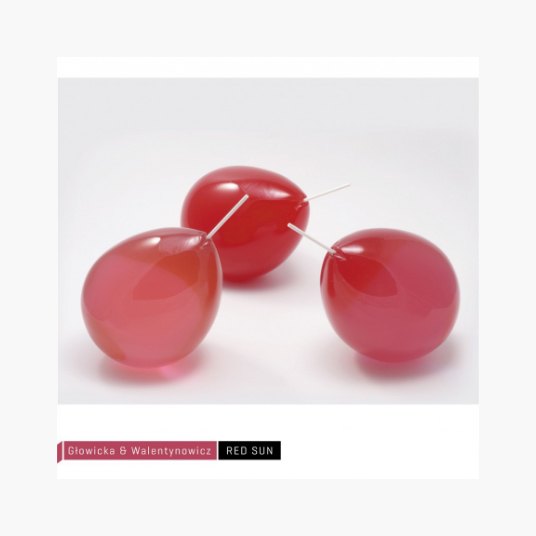
A fragment from a cycle of short stories written in 1995, published in 2009 in the booklet of the CD Red Sun. In The Glazier, a hole in a window that lets in the scent of summer trees becomes a problem when the frost arrives.
Books
2027The ARTFUL MethodKasia Głowicka
Book in preparation for 2027, on the ARTFUL method for arts-based development of creative skills.
The method is introduced in the article From Resistance to Engagement and set out for teachers in Connected Creativity.
2026Connected CreativityKasia Głowicka, with Maritha van Amerom; edited by Belle JansenPublished by the Inholland Open Access Fund
Connected Creativity — How the Arts Can Develop Your Creative Skills, written with visual artist Maritha van Amerom and edited by Belle Jansen. The manuscript is complete and in review; publication is expected in 2026.
The book sets out the ARTFUL method in a form a teacher can pick up and use: twelve chapters across the Self, Other and World domains, each with facilitator scripts, exercises that work in an ordinary classroom, and a plain account of the research behind them. It is written for people who teach creative skills to students who do not consider themselves artists.
The framework and the wider programme are described under the Connected Creativity project.
2025Testing the Waters — The Values of Artistic Practices for Societal ChallengesMartijn de Waal, Marleen Idema, Elioa Steffen, Kasia Głowicka, Bruno Neves Alves, Nanda van der Weiden and Jaz Hee-jeong ChoiLaunched at the Gerrit Rietveld Academie, 3 March 2025
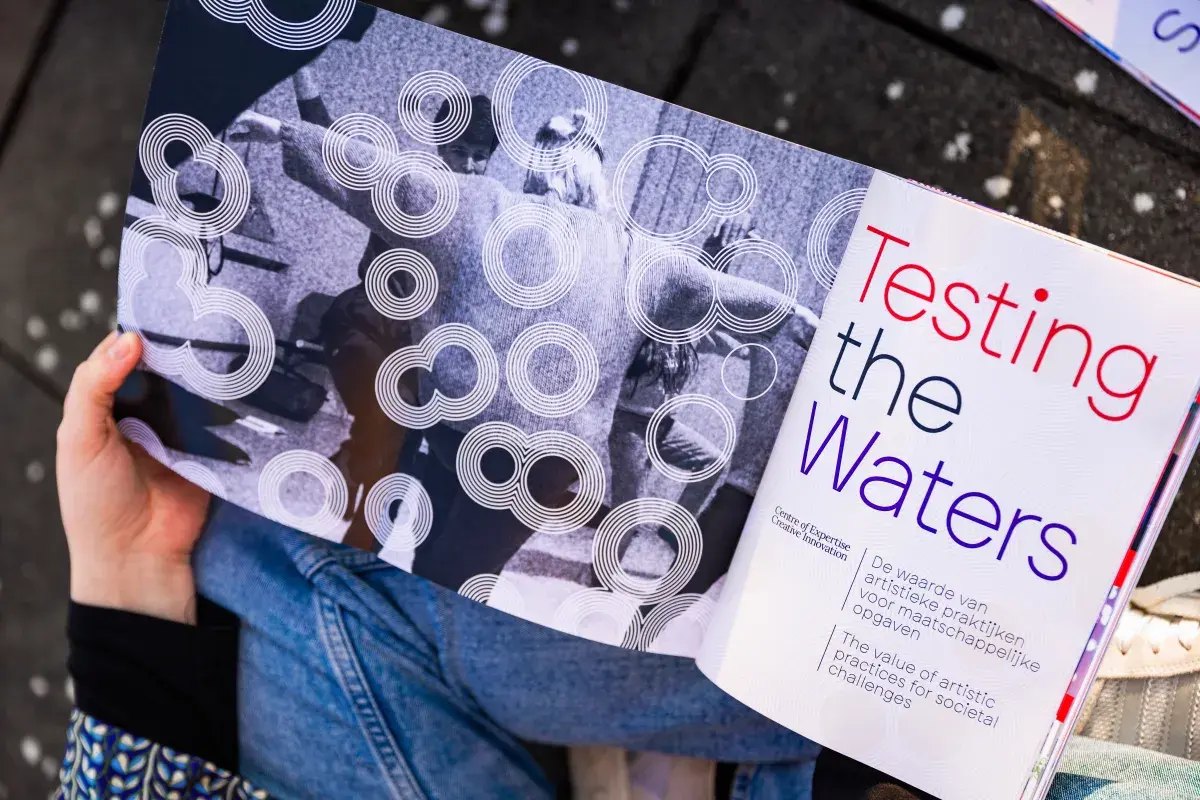
Publication of the Centre of Expertise Creative Innovation (CoECI), launched at the Gerrit Rietveld Academie on 3 March 2025.
How can artistic methods contribute to research and innovation without losing what makes them artistic? The book gathers the strengths researchers and teachers see in artistic practice (exploratory, iterative, situated, embodied) and where they collide with the goal-oriented habits of innovation funding. Free to download as a PDF.
2019We called it utopiacontribution by Kasia GłowickaKrytyka Polityczna
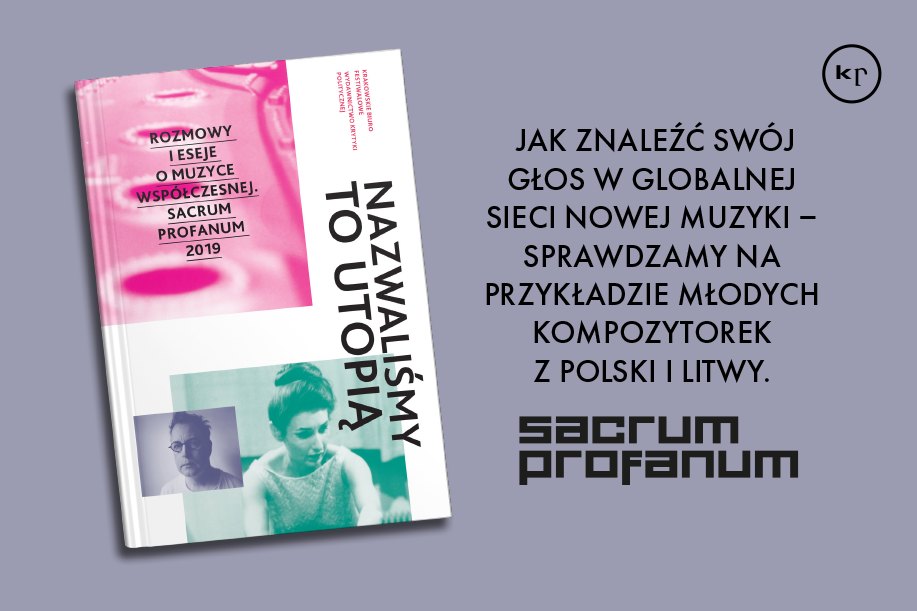
Book published by Krytyka Polityczna with the Sacrum Profanum festival, edited by Jan Topolski, including an interview with Kasia Głowicka.
Krytyka Polityczna on FacebookSacrum Profanum on FacebookJan Topolski on FacebookPublisher's page
Research projects
2026Fostering Creative Agency in an AI-Driven WorldZHIA Impactfonds
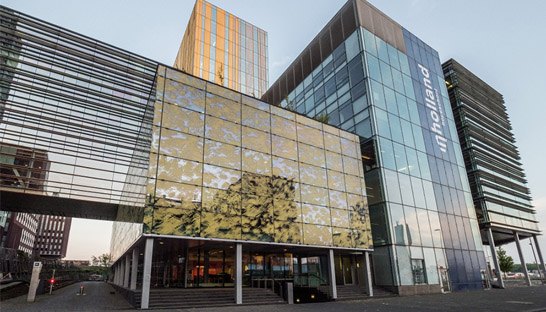
Creative students and professionals increasingly work with AI tools for text, image and sound. That brings speed and new possibilities, but the work shifts from creating to selecting and refining AI output, leaving less room for imagination, critical thinking and a creative voice of one’s own to grow. This project asks how makers can keep and strengthen their creative agency when AI becomes part of their process: what growing AI use does to creative skills in higher education and in creative practice in South Holland, and what it takes to strengthen those skills. Over ten months (October 2026 – July 2027) we build a consortium and sharpen this question into a shared research agenda. The project has its own page on the Inholland website.
The project is led by the Innovation in the Music Industry research group of Inholland University of Applied Sciences, together with The Hague University of Applied Sciences, within the Zuid-Hollandse Impact Alliantie (ZHIA), theme AI & Data Science. Researchers from music, design, ethics, education and learning analytics look at three themes: creative skills and learning, business models and authorship, and work processes. Each group does fieldwork through interviews and observations with makers, schools and companies. Focus groups of students, teachers and professionals test the first findings, and activation groups let practice partners work on concrete questions from their own work, so the research questions arise where the problem is felt. Knowledge partners include the Royal Conservatoire The Hague, the Centre of Expertise Creative Innovation, TU Delft, Rotterdam University of Applied Sciences, the Amsterdam University of Applied Sciences, the University of Amsterdam and artist Jonathan Reus.
For education, the project offers programmes ways to bring AI into the curriculum so that it strengthens creative skills: when does AI help a student forward, and when does it take over steps of thinking that students need to learn to take themselves? How do you assess creative work made partly with AI? Students and teachers of both universities, and regional vocational schools such as the Grafisch Lyceum Rotterdam, are directly involved. After ten months the project delivers a consortium with agreed roles, a network map of the creative sector and creative education in South Holland, a literature analysis, an analysis of the practice question based on interviews and workshops, and a shared research agenda. Together these form the basis for a multi-year funding application to develop and test interventions, such as teaching formats, materials and guidelines for working with AI. The project is funded by the ZHIA Impactfonds.
2026Connected CreativityNRO Comenius · Inholland Open Access Fund
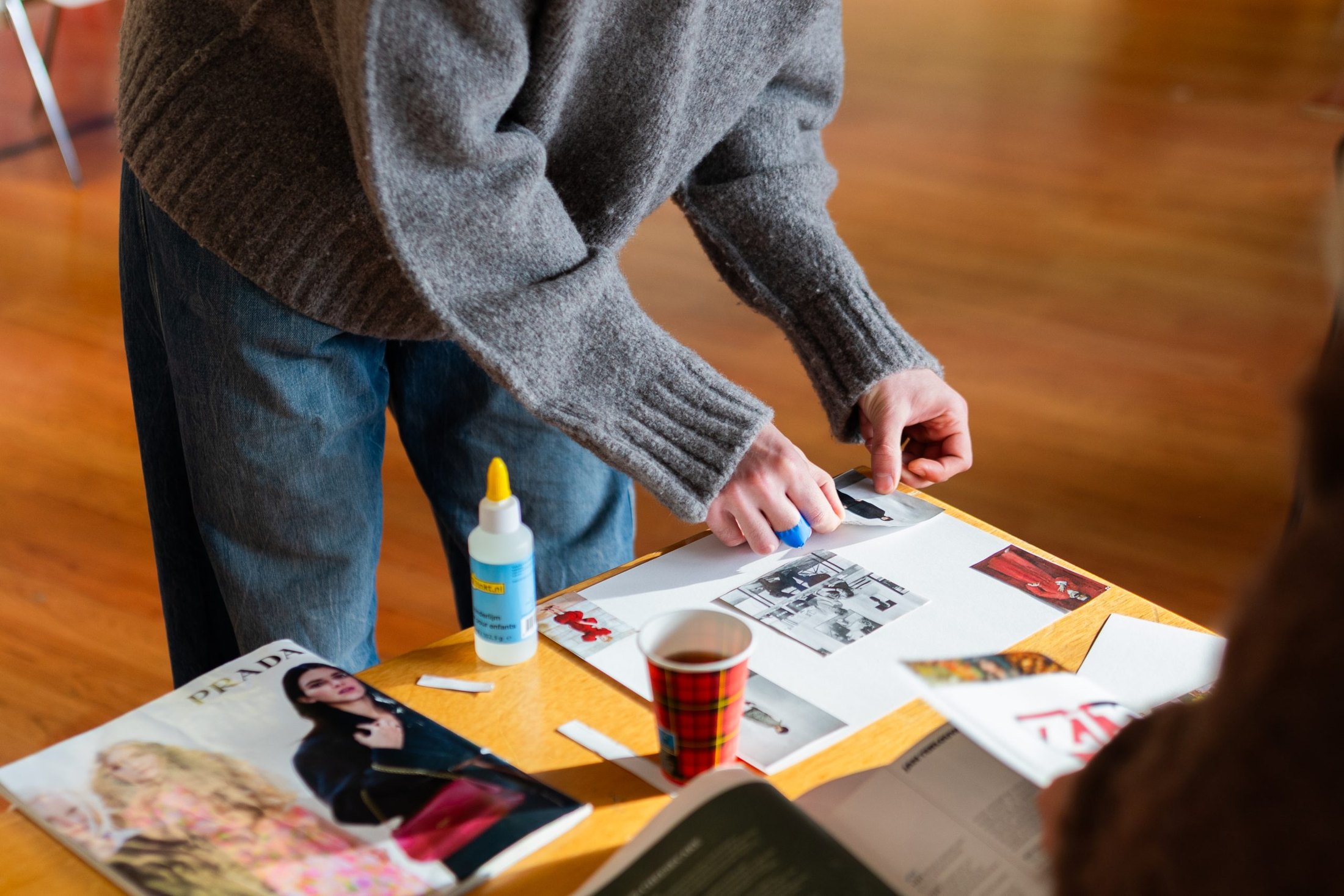
Connected Creativity — How the Arts Can Develop Your Creative Skills, written with visual artist Maritha van Amerom and edited by Belle Jansen. Developed through a Comenius Senior Fellowship from the NRO at the Creative Business department of Inholland University of Applied Sciences in The Hague. The project covers the framework, the classroom programme, the book, and the materials that go with them.
The ARTFUL framework
The book sets out ARTFUL, a six-phase arts-based method for teaching creative skills to students who do not think of themselves as artists. Its argument is that cognitive and embodied work have to advance together: each phase pairs a way of thinking with a way of doing, rather than treating reflection as something that happens after the making. Working through the phases in sequence is not the same as working through them as pairs, and the pairing is where the learning sits.
Twelve skills are organised across three domains.
Self — mind wandering, creative flow, intuition, resilience, curiosity, and the inner critic.
Other — collaborative creativity, entrepreneurship, creative courage, creative vision.
World — dealing with uncertainty, creativity and technology.
Each chapter carries facilitator scripts, exercises that can be run in a normal classroom, and a plain account of the research the exercise rests on — Csikszentmihalyi on flow, Fredrickson on positive emotion, Porges on safety and the nervous system, Damasio on feeling and reasoning, Dane and Pratt on intuition, Sarasvathy on effectuation, Beaty on the creative brain, Magsamen and Ross on the arts and health. The science sections are written for practitioners and say plainly where the evidence is thin.
Beyond the book
The programme also includes a companion game and a series of short instructional videos, so that a facilitator can run sessions without having read the whole book first. Course materials and updates are at connectedcreativity.nl.
2025VR for Virtual International Collaboration (COIL)Virtual International Samenwerking
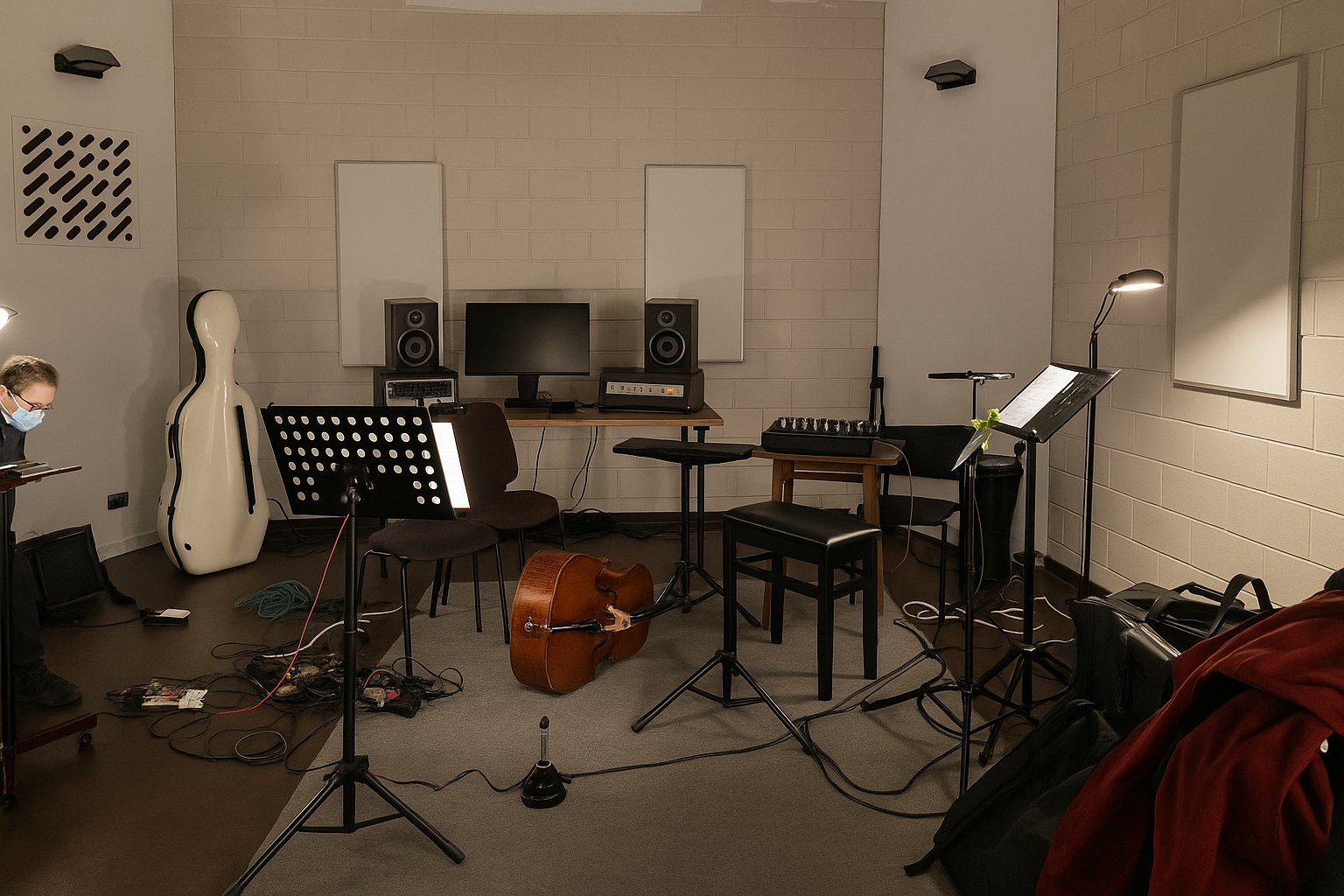
Collaborative Online International Learning between Inholland University of Applied Sciences, Amsterdam, and the Latvian Academy of Culture, Riga, led by Kasia Głowicka with Esther Bouw, Ieva Zemīte and Avinash Changa of WeMakeVR.
Students explored cross-cultural creative practice and empathetic design in VRChat and MeetinVR, supported by Miro. The project ran from 28 February to 14 April 2025 with a VIS grant.
Project websiteWatch the videoFunderResearcher profilePartner
2019Sound Based MicrointerventionsInholland ARC Research Grant

Research project funded by the ARC Research Group at Inholland, and the work that led to Connected Creativity.
Can short pieces of sound do something a worksheet cannot? The project produced a set of brief audio interventions for personal-development training, each doing one thing: settling a room, opening a period of unfocused thinking, marking a transition, closing a session. Sound shifted the state of a group but could not carry a curriculum, which is what pointed towards the ARTFUL method. Concluded in 2021.
Conference contributions
- 2026CHIWORK ’26, Linz; Art of Research, Aalto University.
- 2024Deep Dive Congres, NRO and ComeniusNetwerk, Gooiland, Hilversum, 2 October.
- 2016International Computer Music Conference, the Netherlands.
- 2014INTER/actions: Symposium on Interactive Electronic Music.
- 2007International Computer Music Conference, Denmark: Opalescence.
- 2005International Computer Music Conference, Barcelona: Composing for Harpsichord and Electronics, concert and presentation of Dust Point Red.
Guest lectures and panels
- 2025Society 5.0 Festival, panel: How artists use immersive technology to bring culture alive, Inholland.
- 2022Entrepreneurship: Facts and Figures in the Current Musical Scene, Erasmus University College Brussels, Belgium.
- 2019Computer Music Introduction, Leiden University, the Netherlands.
- 2017Situation of Female Composers in the Modern Artistic World, discussion panel with Elżbieta Sikora, Heroines of Sound, Berlin.
- 2013On the Search for Intuitive and Deterministic Techniques in Composition, lecture, University of Louisville, Kentucky, USA.
- 2013On the Search for Intuitive and Deterministic Techniques in Composition, lecture, Miami College of Arts, Miami, USA.
- 2013Algorithmic Composition Techniques in My Music, lectures at the Stanisław Moniuszko Academy of Music in Gdańsk, Birmingham City University and Bangor University.
- 2012Establishing Artistic Connection between Aural and Visual Elements, lecture, Intensive Music Course, Cosenza, Italy.
- 2011–2012Top 10 Events of the Last 2 Years in Sonic Arts, lecture, Intensive Music Course, Cosenza, Italy.
- 2011–2012Creating Transition from Education to Employment in Arts, lecture, Intensive Music Course, Cosenza, Italy.
- 2008Computer Composition, concert and presentation with the BBC Scottish Symphony Orchestra, Sound Festival, Aberdeen.
- 2007Exospheres: new approaches to spatial composition, presentation about my work by M. Ortez-Miranda, Hermosillo, Mexico.
- 2007Working with Harpsichord and Electronics: How to Connect Old with the New, concert and lecture, Society for the Promotion of New Music, Solo Spotlight Series, London.
- 2007Techniques of Collaboration between Various Art Forms, with M. Nitschke, Audio Art Festival, Kraków.
- 2007Spatial Performance Techniques, presentation and lecture with J. Geiswith and H. Vega, Sonic Lab, Sonic Arts Research Centre, Queen’s University Belfast.
- 2007Entrepreneurship in Arts, Dragons’ Den competition, Lyric Theatre, Belfast.
- 2007Role of Silence in Music, Science Day, London.
- 2006Working with Video and Electronics, lecture and presentation, Goethe-Institut, Rome.
- 2005Composing for Secondary School Students, Society for the Promotion of New Music composition course, Belfast.
Jury, board and reviewing
- 2026Reviewer, Art of Research Conference, Aalto University, Finland.
- 2019–2026Member of the BAC committee, BUMA/STEMRA.
- 2014–2018Member of the Supervisory Board of the Industrial Research Fund (IOF), Vrije Universiteit Brussel, Belgium.
- 2013Jury member, Animator International Animation Festival, Poznań, Poland.
- 2011Jury member, Brussels Conservatory composition competition.
- 2011–2018Member of the Supervisory Board of the Roentgen Connection.
- 2010–2013Advisor to the Artek Foundation.
- 2010Reviewer, Conference on Computation, Communication & Aesthetics, Porto, Portugal.